Uitdrukking in het Nederlands
Wat betekent “weet je wel” in het Nederlands?
A Dutch tag-question filler — "you know?" — checking comprehension without expecting an answer.
Wat het betekent
Weet je wel literally means "do you know" with the wel particle attached for emphasis, but functionally it works like English "you know?" — a tag question speakers append to statements to maintain conversational rapport. Dutch speakers don't actually expect an answer; the phrase is a comprehension-check that signals "we're on the same page, right?"
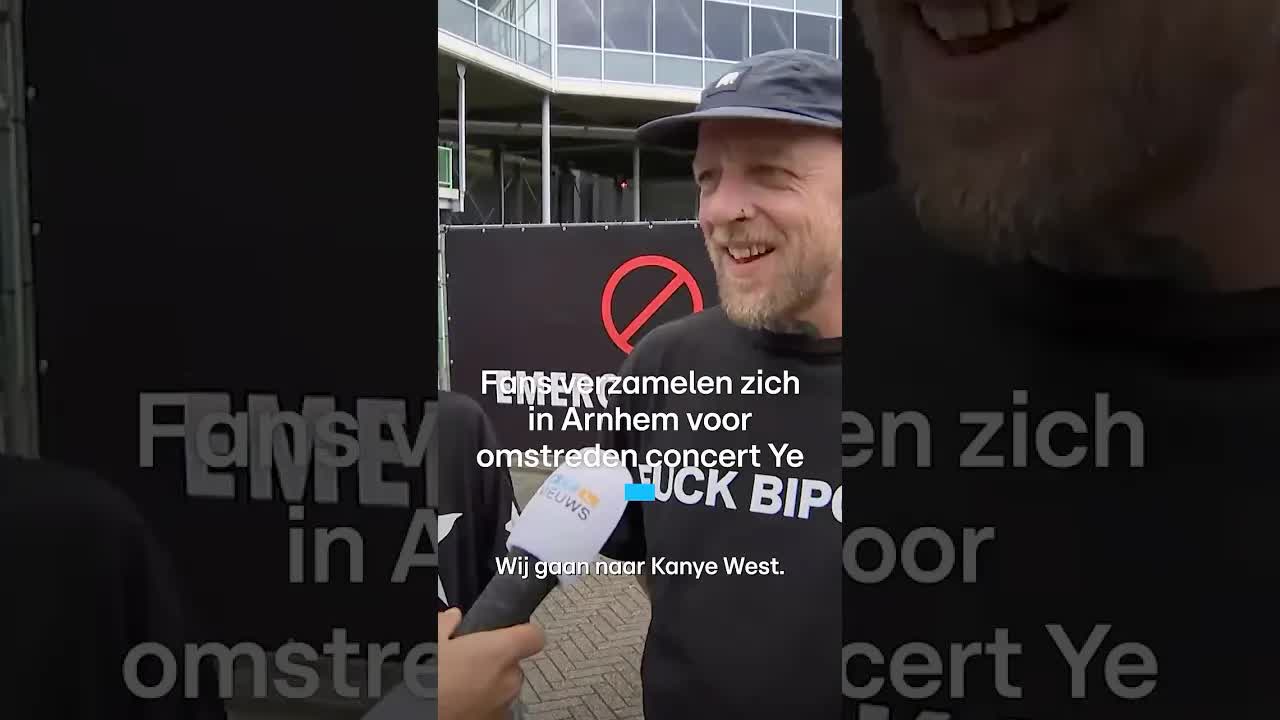
The marker concentrates in interview and storytelling contexts. Dutch radio DJs, podcast hosts, and reality-TV contestants use it constantly, often multiple times per minute. Some speakers turn it into a verbal tic — the kind of thing Dutch listeners stop hearing but English-speaking learners notice immediately. Foreigners moving to the Netherlands often internalize weet je wel before they have any other particle constructions, because it's so frequent and so easy to slot into a sentence-end.
A subtle pragmatic note: dropping weet je wel into a statement also softens it. "Ik vond hem aardig" is a flat statement; "Ik vond hem aardig, weet je wel" invites the listener into agreement.
Waar je het hoort
Mid-anecdote rapport-checking
"En toen liep ie weg, weet je wel."
Softening an opinion
"Hij is een beetje moe, weet je wel."
Adding emphasis to a confidence
"Echt, weet je wel, het was bizar."
As a verbal tic in interviews and reality TV
Video’s met “weet je wel”
12 video’s in het Nederlands met deze uitdrukking.