Uitdrukking in het Nederlands
Wat betekent “doe maar” in het Nederlands?
A Dutch nudge of permission — "go ahead, do it" — granting the listener clearance to proceed.
Wat het betekent
Where kom maar invites and kijk maar shows, doe maar gives permission. The phrase tells someone they can proceed with whatever they were considering. Dutch waiters say it dozens of times a day to customers ordering complicated things ("doe maar de salade en een bier"); Dutch parents say it to kids asking if they can have another cookie; Dutch managers say it to colleagues asking if it's OK to leave early.
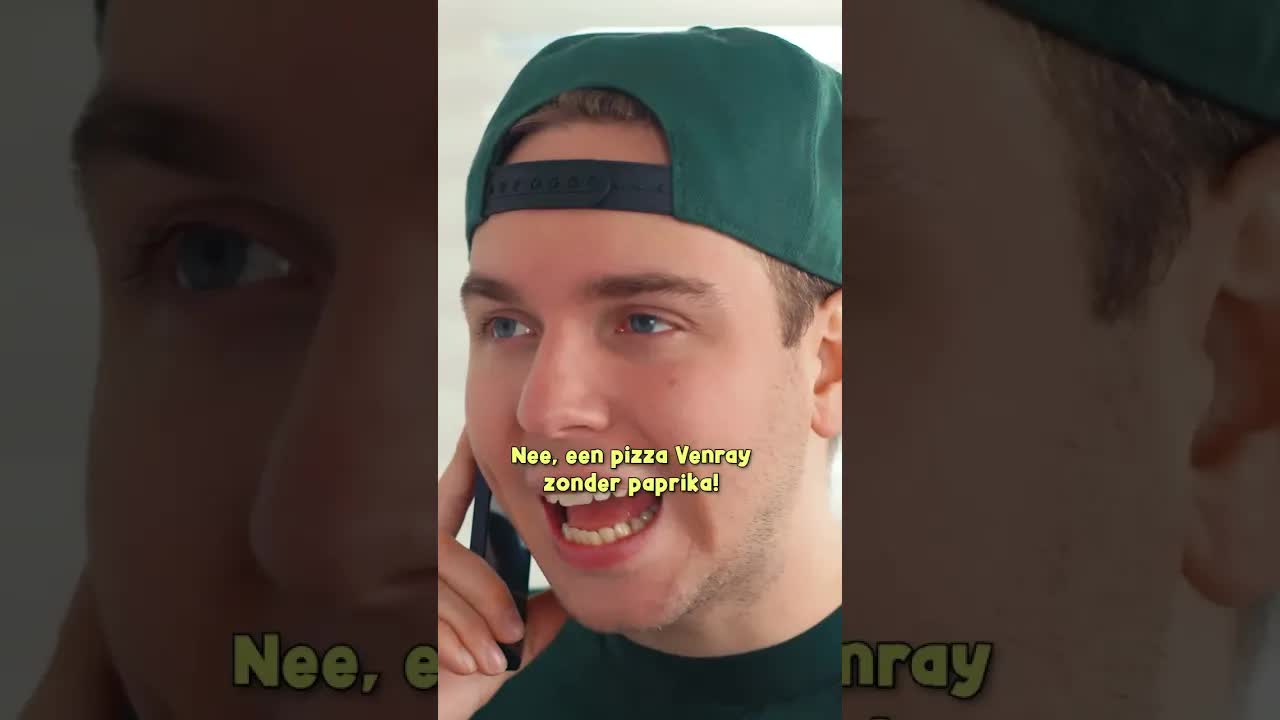
The phrase also doubles as a reduced answer when ordering. "Doe maar de soep" is shorter and warmer than "ik wil graag de soep" — the doe maar signals "please make/serve me the soup" without the formality. Foreign menus translated into Dutch sometimes get this wrong; doe maar in spoken ordering is closer to "I'll have" than to "do it."
A second specialization: doe maar rustig aan ("take it easy") and doe maar gewoon ("just act normal") use the same construction with different complements, anchoring this maar-particle work into broader Dutch advice-giving.
Waar je het hoort
Granting permission casually
"Doe maar, geen probleem."
Ordering food or drinks
"Doe maar twee koffie."
Encouraging a tentative action
"Doe maar, je kan het."
In compound advice
"Doe maar gewoon" (the famous "just act normal" Dutch life rule).
Video’s met “doe maar”
22 video’s in het Nederlands met deze uitdrukking.
 0:39
0:39 0:38
0:38 0:25
0:25 0:27
0:27 1:22
1:22 0:20
0:20 3:28
3:28 0:29
0:29 0:39
0:39 0:48
0:48 0:32
0:32 0:37
0:37 1:47
1:47 3:33
3:33 3:44
3:44 0:38
0:38 1:13
1:13 2:27
2:27 1:14
1:14 0:26
0:26 0:21
0:21 0:35
0:35